.png)
How to Rank Your Business on Google in Ireland (Local SEO Guide for 2026)

If you want more customers for your business in Dublin or anywhere in Ireland, you need to show up when people search on Google.
Right now, your potential customers are searching for things like:
“plumber Dublin”
“best café near me”
“SEO services Ireland”
If your business isn’t appearing in those results, you’re losing customers to competitors who are.
The good news?... Local SEO can fix this.
In this guide, you’ll learn:
What local SEO is
Why it matters for Irish businesses
And how to improve your rankings step-by-step
Quick Answer: Local SEO helps your business appear in Google search results and Google Maps when people nearby are looking for your services.
If done correctly, it can:
Increase visibility
Drive more website traffic
Generate consistent local enquiries
Why Local SEO Matters for Irish Businesses
Local SEO optimisation in Ireland is about making your business visible to people searching for products or services near them. Imagine someone in Dublin looking for a café or a plumber. If your business doesn’t show up in their search results, you miss out on potential customers.
Most customers don’t scroll endlessly through Google.
They:
Search
Click one of the top results
Contact a business
That means:
If you’re not visible on page 1, you’re missing out on real opportunities.
For example, a local bakery in Cork can attract more foot traffic by appearing in searches like “best bakery near me” or “fresh bread in Cork.” This is the power of local SEO optimisation in Ireland.
Key Strategies for Local SEO Optimisation Ireland
Getting started with local SEO might seem overwhelming, but breaking it down into clear steps makes it manageable. Here’s what you need to focus on:
1. Optimise Your Google Business Profile
Your Google Business Profile (GBP) is your digital storefront. It appears in Google Search and Maps, showing your business name, address, phone number, hours, and reviews.
Claim and verify your profile: This is the first step.
Complete every section: Add photos, business hours, and a detailed description.
Use relevant keywords: Include terms your customers use to find you.
Encourage reviews: Positive reviews boost your ranking and trust.
2. Use Local Keywords
Keywords are the words people type into search engines. For local SEO, include location-specific keywords.
Use phrases like “local seo optimisation Ireland,” “best plumber in Galway,” or “Dublin coffee shop.”
Add these keywords naturally in your website content, titles, and meta descriptions.
Don’t forget to include them in your blog posts and FAQs.
3. Build Local Citations
Citations are online mentions of your business name, address, and phone number (NAP). They help Google confirm your business location.
List your business on local directories like Golden Pages, Yelp Ireland, and local chambers of commerce.
Ensure your NAP is consistent across all platforms.
Avoid duplicate listings that can confuse search engines.
4. Create Local Content
Content that speaks directly to your local audience can improve your SEO and engage customers.
Write blog posts about local events, news, or customer stories.
Highlight local partnerships or sponsorships.
Share tips or guides relevant to your area.
5. Optimise for Mobile
Most local searches happen on mobile devices. Your website must be mobile-friendly.
Use responsive design that adapts to any screen size.
Ensure fast loading times.
Make contact information easy to find and clickable.
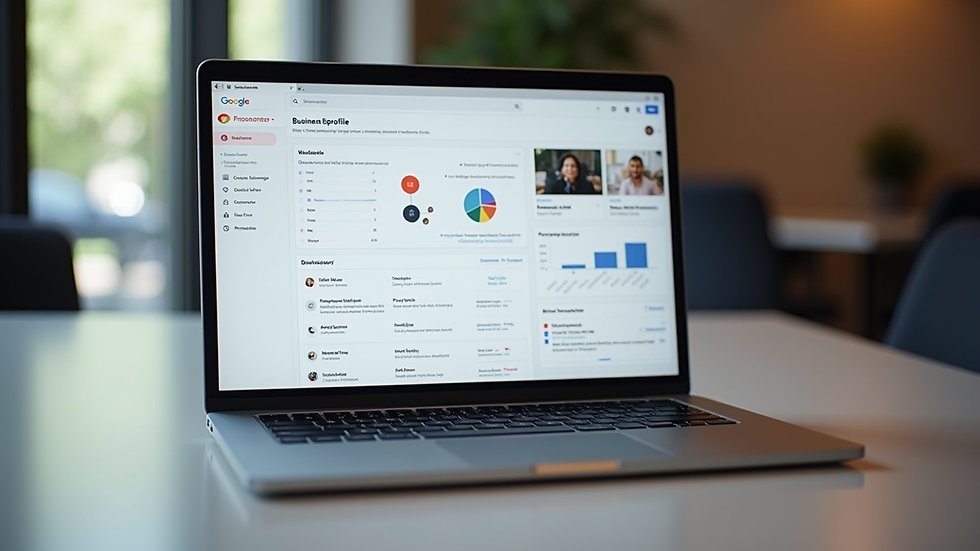
How to Track Your Local SEO Success
You’ve put in the work, but how do you know if it’s paying off? Tracking your local SEO performance is crucial.
Use Google Analytics and Google Search Console
Monitor traffic sources to see how many visitors come from local searches.
Track which keywords bring the most visitors.
Check your website’s click-through rates and bounce rates.
Monitor Your Google Business Profile Insights
See how many people viewed your profile.
Track actions like calls, direction requests, and website visits.
Use this data to adjust your strategy.
Keep an Eye on Reviews and Ratings
Respond promptly to reviews, both positive and negative.
Use feedback to improve your services.
Encourage happy customers to leave reviews regularly.
Why Professional Help Can Make a Difference
Local SEO optimisation Ireland can be complex. If you want to save time and get expert results, consider working with specialists. They understand the nuances of local search algorithms and can tailor strategies to your business needs.
For example, local seo services ireland offer customised solutions that help Irish businesses like yours climb the local search rankings faster.
Next Steps to Master Local SEO Optimisation Ireland
Ready to take your local SEO to the next level? Here’s a simple action plan:
Claim and optimise your Google Business Profile today.
Research and add local keywords to your website.
List your business on trusted local directories.
Create engaging local content regularly.
Make sure your website is mobile-friendly and fast.
Track your progress and adjust your strategy monthly.
Remember, local SEO is an ongoing process. Keep learning, testing, and improving.

Mastering local SEO optimisation Ireland is within your reach. With the right steps, your business can attract more local customers, build trust, and grow steadily. Start today and watch your online presence transform!

Comments